Sometimes the everyday items we buy may be made by people who are treated unfairly or forced to work like slaves. This means people are forced to work and are not free to leave their jobs or say no. They may be treated unfairly, paid very little, or threatened if they try to stop working. This can happen when products such as smartphones, clothes, or food are made.
This may happen in something called a supply chain. A supply chain is the process companies use to get the materials they need and the workers they hire to make their products.
To help address this problem, the Australian Government requires large organisations, including Aruma, to report each year on what they are doing to reduce the risk of modern slavery in their supply chains and operations (their businesses).
Aruma is committed to respecting human rights and working to reduce the risk of modern slavery. We also want to support you, our participants, to make informed decisions about the products you buy. This information is not about making anyone feel sad, angry, or ashamed about things they may have bought in the past. Instead, it is about learning together and having conversations so we can make better choices in the future.
If you would like to learn more about modern slavery and how to shop responsibly, you may find the following websites and videos helpful.
Please share this with the people you support, or anyone you feel would benefit from this information.
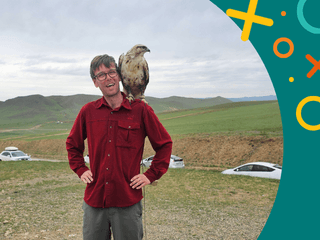
About James
In 2013, James’ Support Manager suggested he apply to become a Peer Mentor, James jumped at the chance and has been working ever since.
An Aruma Human Rights Advisory Committee member, James provides an autistic lived experience at Aruma to help advocate for the rights of people with disability and see them lead their best lives. He is particularly passionate about the voting rights of people with disability, and ensuring that they have accessible information and support to make informed decisions and have their voices heard. This work has involved speaking at conferences as well as with politicians and in the media.
Additional Resources
Websites:
- Types of modern slavery | Modern Slavery in Australia Explains the different forms of modern slavery in simple, clear language. Helps you understand how exploitation can happen in different industries.
- Walk Free An international human rights organisation working to end modern slavery around the world. They publish reports, tools and stories to help people learn and take action.
- Ethical Consumer: the alternative consumer organisation A long‑running organisation that helps people shop responsibly. They provide up‑to‑date information about how companies treat workers, the environment and communities.
- Business and Human Rights Centre A global organisation that tracks how companies respond to human rights issues, including modern slavery.
- Anti‑Slavery Australia – What We Do An Australian organisation providing education, legal support, and resources about modern slavery.
Videos:
- Modern Slavery in Supply Chains Explains how everyday products like clothes, phones, and food can sometimes be made by people who are treated unfairly.
- What is modern day slavery – English (Graphic Content) A short video explaining what modern slavery is and how it affects people.
- ‘My life as a modern day slave’ – BBC News A real story from someone who experienced modern slavery. Helps viewers understand how exploitation can happen in everyday life.
- 50 Million People Trapped In Modern Slavery, Report Shows A news video explaining how many people around the world are affected today. Shows the global scale of the issue.