
Whether you’re moving out, need a change of scenery, or want a bit of extra support, at Aruma we have so many NDIS Home and Living options for you. We know it can be confusing. There’s lots to wrap your head around, but we’re here to help.
Disability statistics
More than one in five Australians have a disability. Understanding the facts helps us all work towards a more inclusive community.
What is disability?
Disability can be defined in different ways, depending on the context.
However, it is often defined as any limitation, restriction or impairment that affects everyday activities and has lasted, or is likely to last, for at least six months.
Disabilities are different for everyone. They can be physical, intellectual, psychosocial, sensory or cognitive. They can be present from birth or develop later in life. Some are visible, and some are not.
Disability in Australia
In 2022, 5.5 million Australians (21.4%) had a disability, an increase from 4.4 million (17.7%) in 2018.
Of all Australians with disability, 2.3 million were aged 65 years and over, representing more than half (52.3%) of all older Australians.
Around one in 12 Australians (7.9%) had a profound or severe disability.
Support needs
In 2022 60.5% of people with disability living in households receive assistance with at least one activity of daily living, with 71.6% receiving assistance from informal carers.
3.3% of people with disability live in cared accommodation, such as hospitals, nursing homes or aged care facilities.
Disability and employment
The unemployment rate for people with disability is 7.5%, more than double the rate for people without disability (3.1%).
56.1% of working-age people with disability are employed, compared with 82.3% of people without disability.
One third (33.4%) of people with disability were employed full-time, compared with more than half (57.9%) of those without disability.
The labour force participation rate for people with disability aged 15-64 years was 60.5% in 2022, up from 53.4% in 2018.
Disability and education
45.3% of people with disability aged 15 years and over have completed Year 12 or equivalent, an increase from 33.4% in 2018.
Almost one in five (19.7%) people with disability have a Bachelor degree or above, an increase from 16.1% in 2018.
Disability and income
The median gross personal income of people with disability of working age was $575 per week, compared with $1,055 per week for people without disability.
48.9% of people with disability receive wages or salary as their main source of income, up from 37.6% in 2018.
Carers
In 2022, there were 3.0 million carers in Australia, an increase from 2.6 million in 2018.
1.2 million people were primary carers, and of these, 43.8% had a disability themselves.
Two-thirds (67.7%) of primary carers were female.
The average aged of a carer is 50 years.
Children and young people with disability
In 2022, 12.1% of children and young people aged 0-24 years had a disability, up from 8.3% in 2018.
11% of children under 15 years old had a disability.
6% of children and young people had a profound or severe disability.
The most common conditions among children and young people with disability were psychological development conditions (23.9%), including Autism Spectrum Disorder (18.5%), followed by ADHD (17.3%) and Anxiety disorders (13.1%).
Mental health
Around one in five Australians (21.5%) aged 16-85 years experienced mental illness in the past 12 months (ABS: 2022).
Two in five Australians (43.7%) have experienced mental illness at some point in their lifetime.
- Anxiety disorders are the most common, affecting 17.2% of the population.
- Affective disorders such as depression affect 7.5%,
- Substance use disorders affect 3.3%.
On average, nine Australians die by suicide each day.
If you or someone you know is struggling, please contact Lifeline on 13 11 14 or Beyond Blue on 1300 22 4636.
How Aruma can help
At Aruma, we’re here to support you through every step of your NDIS journey. Whether you’re just starting out or looking for a new provider, our team can help you understand your plan and connect you with the right supports.
We put you at the centre of everything we do. That’s The Aruma Way.
Get in touch with us today to find out how we can support you.
Sources
Data is taken from the following sources:
- Australian Bureau of Statistics, Disability, Ageing and Carers, Australia: Summary of Findings, 2022
- Australian Bureau of Statistics, Children and Young People with Disability, 2022
- Australian Bureau of Statistics, National Study of Mental Health and Wellbeing, 2020-2022
- Australian Institute of Health and Welfare, Suicide and Self-Harm Monitoring
Hey there, you!
Got questions? Need to get in touch? Our customer team would love to help.
You may also be interested in

Supported accommodation
Respite accommodation
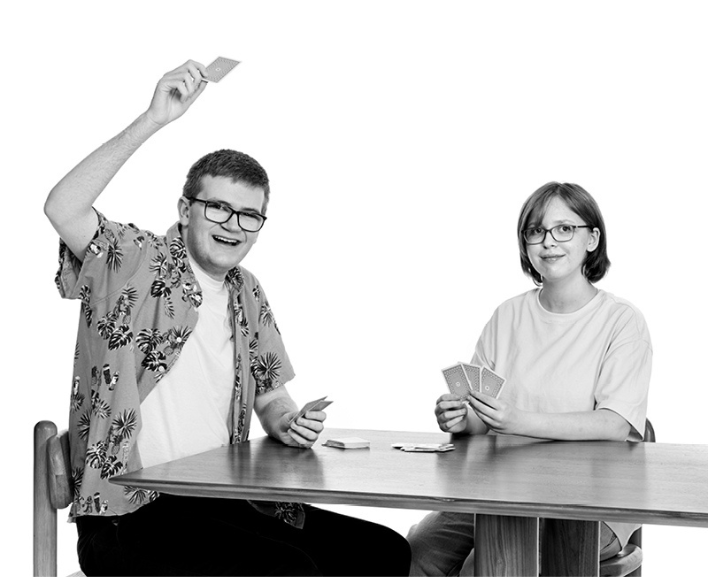
Rest, reset, recharge. Whether it’s a planned break, emergency respite, or short stays while building independence, Respite Care offers safe, nurturing, and flexible support when you need it.
Therapy services
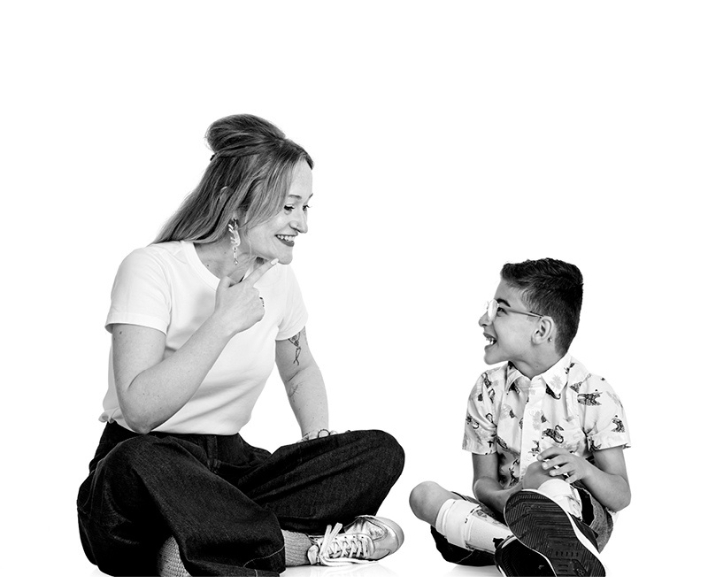
Therapy support that helps you live fully and connect meaningfully, because everyone has the right to live, laugh, connect and be, just how they choose.
Supported accommodation
Whether you’re moving out, need a change of scenery, or want a bit of extra support, at Aruma we have so many NDIS Home and Living options for you. We know it can be confusing. There’s lots to wrap your head around, but we’re here to help.
Respite accommodation
Rest, reset, recharge. Whether it’s a planned break, emergency respite, or short stays while building independence, Respite Care offers safe, nurturing, and flexible support when you need it.
Therapy services
Therapy support that helps you live fully and connect meaningfully, because everyone has the right to live, laugh, connect and be, just how they choose.